
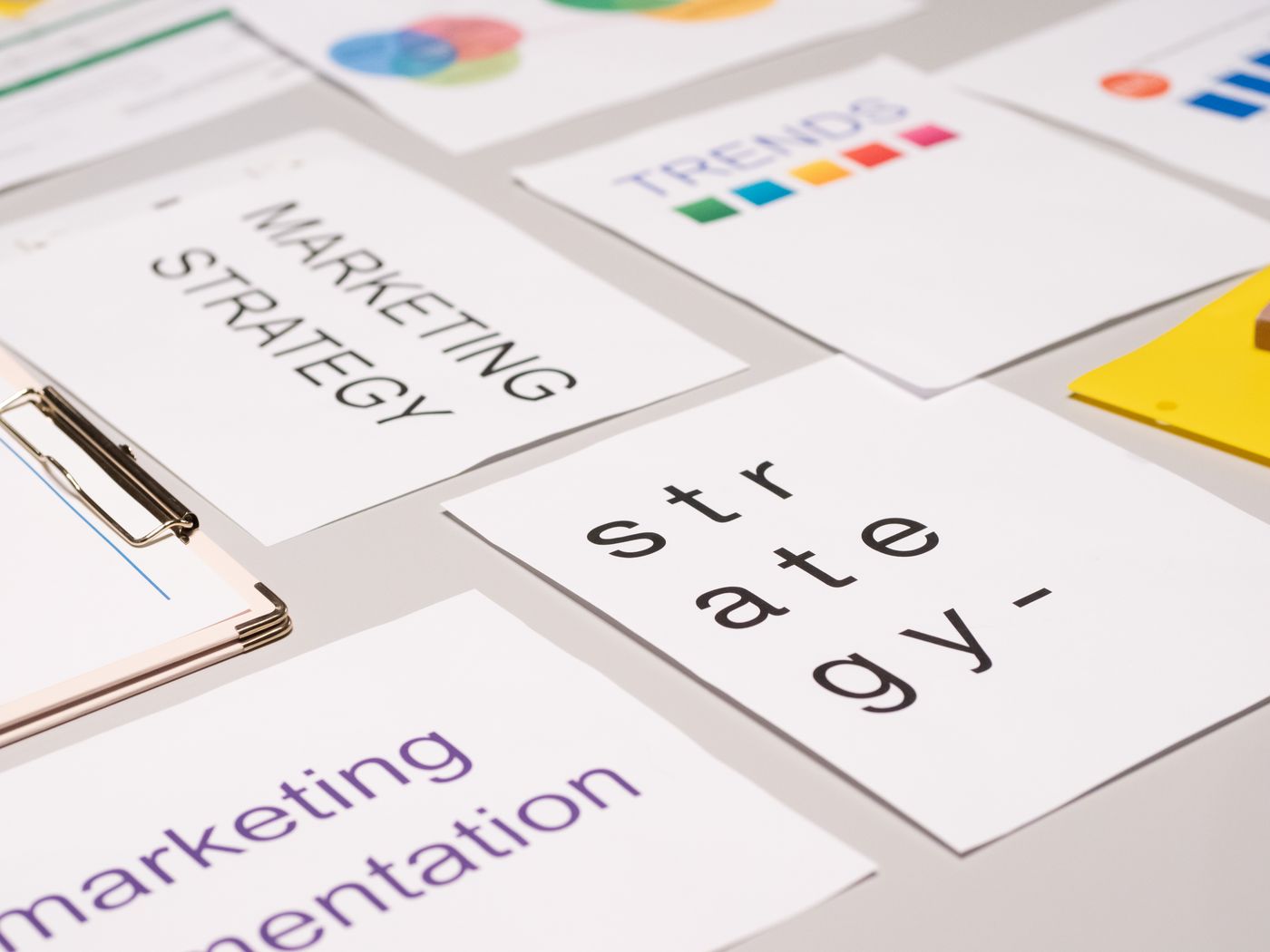
The value of business planning lies in helping a company make choices. When there are many possible directions, first identify what deserves attention at the current stage, then translate ideas into actions that can be followed through.
1. What Needs to Be Addressed First?
Slower growth, rising coordination costs, repeated process steps and difficulties launching new activities can occur together. Planning should begin by separating symptoms from causes, rather than treating every issue as a priority. Review recent business conditions to identify recurring problems, the roles affected and the possible consequences of delaying action.
Turn broad goals into specific questions to focus the discussion. For example, “improve management” might become “clarify responsibility for order handovers” or “give management timely visibility of project progress”. Clearer questions make subsequent analysis more focused.
2. Which Options Can Existing Resources Support?
Plans need to fit the company's people, time, budget and management capacity. Distinguish resources already available, resources that can be reassigned, and conditions that are not yet in place. For work involving several departments, confirm that the relevant people have enough time to participate.
Compare options using consistent criteria: relevance to current objectives, required input, implementation difficulty, dependencies and room for adjustment. This may not immediately produce a single answer, but it makes the basis for decisions clearer.
- Existing foundations: Which people, information and working practices are available now?
- Key gaps: Can the missing resources or conditions be provided, and who will coordinate them?
- Implementation constraints: Which day-to-day responsibilities must continue to be covered?
3. How Will the First Stage Begin and Be Reviewed?
Break the overall direction into a manageable set of tasks. Give each one an owner, the information it needs and an observable result. Leave room to discuss and adjust the plan, rather than scheduling all the work at once.
Follow-up should consider both whether tasks are complete and whether the original assumptions still hold. Adjust priorities as business conditions or resources change. A plan that can be reused and updated is often more helpful than a lengthy document that is difficult to put into practice.